Recovering properly after a day of skiing: the key to greater safety and enjoyment
Skiing is not just an enjoyable activity during the winter holidays: it is a genuine sporting activity that can be more physically demanding than you might think. Recovery is therefore an essential part of enjoying your skiing holiday.
Poor recovery can increase your risk of losing control, falling or getting injured. On the other hand, recovering properly can help you progress more quickly and enjoy your time on the slopes to the fullest. Here is everything you need to know about the importance of recovering after a day of skiing and the good habits to adopt.
In summary
After a day of skiing, proper recovery is essential to reduce fatigue, maintain alertness and lower the risk of falls or injuries. Staying hydrated, taking off your ski boots promptly, gradually winding down and doing a few targeted stretches can support muscle recovery. A warm shower, massage or massage roller can also help soothe tired areas. A balanced diet rich in protein and carbohydrates, together with enough sleep, completes these good habits. Sport 2000 and Ekosport-Rent share their advice to help you recover effectively and enjoy the following days on the slopes to the fullest.
Why is recovery essential for skiing safely?
Skiing run after run without taking a break, skipping stretching and failing to rest are all mistakes that prevent your body from recovering properly. This can have a direct impact on the quality of your skiing the following day and on how much you enjoy it.
Muscles and joints that have not had enough time to recover from the effort can lead to:
greater and earlier fatigue → slower reactions, less precise lines and difficulty staying focused on more technical terrain;
a feeling of heavy legs → making it harder to ski on changing snow and through bumps;
reduced alertness and concentration → increasing the risk of falls and collisions;
a higher likelihood of twists, muscle cramps, strains and other injuries.
Conversely, giving your body enough time to recover can improve your safety on the slopes, your performance and your enjoyment.
Recover effectively: the right habits at the end of the day
Recovery after a day of skiing does not have to be tedious, boring or time-consuming. A few simple habits are enough to make recovery easier!
What to do as soon as you return from the slopes
Once your skiing day is over, within 30 minutes of taking off your skis, remember to:
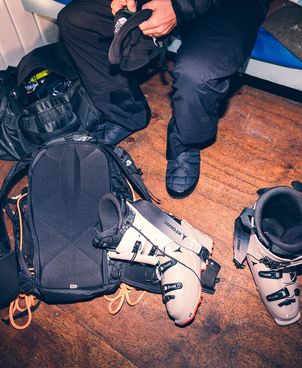
take off your ski boots quickly, or at least loosen them if you are heading to a terrace, for example;
stay well hydrated;
have a snack if you have not already done so during the afternoon;
gradually wind down rather than stopping suddenly, perhaps by taking a short walk.
The muscles to stretch as a priority
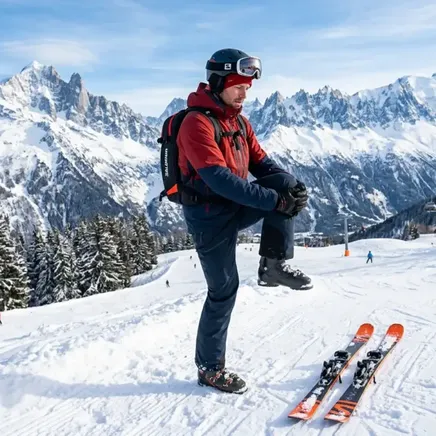
Once you have gradually calmed down, it is time to stretch. Stretching can help your muscles recover properly. There is no need to do a 30-minute stretching session once a week just to feel like you have done your bit. Instead, aim for 5 minutes every evening, using controlled movements that target the muscles you have used the most:
stretch your hamstrings, calves and quadriceps;
stretch your forearms and shoulders;
stretch your back, from the lower back through to the neck.
Create an easy stretching routine that you can incorporate into your evenings and that only takes a few minutes. Regular stretching can help reduce muscle soreness and support your body as it recovers from physical exertion.
Simple ways to optimise muscle recovery
Looking for a few more tips for better recovery? Here are some simple and even enjoyable ways to look after your body after a day of skiing:
take a warm or lukewarm shower to help relax your muscles;
have a quick massage, perhaps using a massage roller to target different areas more easily;
apply an oil or cream to look after your joints and help prevent muscle discomfort.
Eat well and sleep well: the two often-overlooked pillars of good recovery
One final point is sometimes overlooked but is nevertheless essential for proper recovery: your lifestyle during your holiday. A mountain holiday is certainly a great opportunity to enjoy delicious local specialities, but these are not always ideal for recovery.
That does not mean you have to deprive yourself of all the good things, but rather find the right balance. Save richer meals for a few occasions during the week, eat reasonable portions and limit your alcohol intake. You should also aim for balanced meals that are particularly rich in protein and carbohydrates. And do not skip dinner! Your body needs energy to recover, and food provides that energy.
You should also pay attention to your sleep: a good night's sleep is essential for proper recovery. Listen to your body and adjust your bedtime according to your own sleep needs and the time you need to get up the following morning.
Recovering properly after a day of skiing: key tips to remember
Recovery should not feel like a chore, but rather a collection of good habits that will help you get back on the slopes feeling ready for another day.
Give yourself the best chance of recovering well by:
staying hydrated throughout the day and in the evening;
eating a balanced diet and giving your body the energy intake it needs;
paying attention to your sleep;
doing a few stretches every evening;
massaging the areas you have used with a roller, oil or suitable cream.
And remember to listen to your body throughout the day: if you push yourself too hard, fatigue can build up, along with muscle soreness and the risk of injury. It is better to stop as soon as you notice the first warning signs rather than pushing through and spoiling the days that follow!