Managing exertion while skiing: our top tips to enjoy the slopes without exhaustion or injury
Are you the type of skier who always pushes to the limit? Looking to make the absolute most of every session on the snow? Eager to tackle the slopes no matter the weather or snow conditions? We fully understand that enthusiasm—ski holidays always feel too short, and every single moment counts.Are you the type of skier who always pushes to the limit? Looking to make the absolute most of every session on the snow? Eager to tackle the slopes no matter the weather or snow conditions? We fully understand that enthusiasm—ski holidays always feel too short, and every single moment counts.
In summary
Skiing non-stop without listening to your body rapidly triggers exhaustion, loss of focus, and high injury risks. To fully enjoy your time in the mountains, physically preparing before your trip and warming up before every session are essential steps. Taking regular breaks helps minimize muscle strain and keeps your technique sharp. It is equally important to adapt your pace to changing snow conditions, visibility, and temperatures. Sport 2000 and Ekosport-Rent share their best advice to help you manage your effort and ski with complete peace of mind.
Prepare your body and ease into your skiing to avoid injuries
Before thinking about managing your effort on skis or a snowboard, it is important to prepare your body for the physical demands it will face.
Physical preparation for less active skiers
Do you do very little sport during the rest of the year? Have you not been skiing for a long time? Are you prone to knee, back or ankle injuries? If so, it is essential to resume a suitable physical activity several weeks, or ideally several months, before your skiing holiday. This could include running, cycling, swimming, strength training or similar activities.
This will help you build your muscles back up and improve your cardiovascular fitness. In practical terms, you will feel more comfortable on the slopes, be less frustrated and reduce your risk of injury.
Warm up before every skiing session
Heading straight onto the slopes without warming up is one of the best ways to increase your risk of injury, including muscle tears, joint injuries and dislocations.
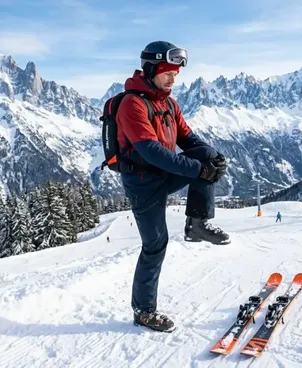
But there is no need to worry: a short warm-up can help prevent these unpleasant surprises. Take 5 to 10 minutes to wake up your muscles with simple exercises. Make circles with your arms, open your hips, do squats and lunges, stretch your shoulders and so on. Remember to mobilise every part of your body.
Listen to the signals telling you when to slow down
You are now ready for your first runs of the day! You are flying down the slopes and having a great time, but do you know how to recognise the signs telling you that it is time to ease off? When should you take a break? When is it time to finish your skiing day? Here are some tips to help you stay alert and avoid putting your body under too much strain.
Recognise muscle fatigue
When your legs start to shake or your balance and control become less precise, it is a sign that you need to slow down. Your muscles are put under considerable strain when you keep skiing run after run. Without a break, this can lead to muscle discomfort and cramps.
Once muscle fatigue sets in, you have less control and inevitably enjoy yourself less. It is therefore better to take regular breaks, even before you start feeling the first signs of fatigue.
Fatigue does not only affect your muscles; it also affects your brain. If you start making unusual edging mistakes, find it harder to anticipate other skiers’ movements or struggle to read the terrain, your nervous system is telling you that it needs a break.
Your ability to stay alert is one of your best protections against collisions and falls.
Do not ignore pain when it starts to appear
Pain under the arch of your foot, a burning sensation in your shins or burning thighs: have you experienced any of these symptoms? If so, there is no point ignoring them. They are warning signs telling you to slow down or take a longer break, helping to prevent a severe cramp, a fall or persistent pain.
Learning to stop before the pain becomes disabling is key to being able to ski again the following day in the best possible conditions.
Adapt your skiing to the snow and weather conditions
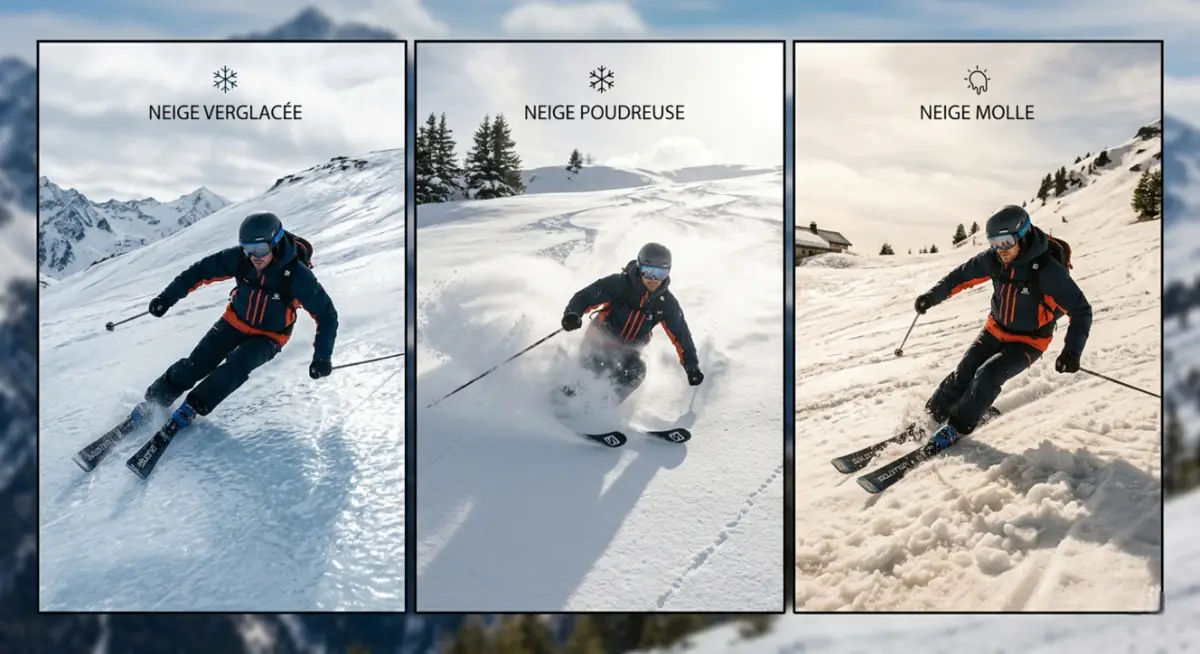
Managing your effort also means knowing how to adapt your pace and skiing technique to the conditions of the day. You will not ski in the same way on icy or soft snow, nor when temperatures are freezing or particularly mild.
Take it easy on your first runs
In the mountains, every day is different depending on overnight snowfall, temperatures, visibility and other factors.
For the first runs of each half-day, we therefore recommend taking it easy. Get a feel for the conditions, pay attention to how you feel and assess the state of the snow. You can then increase your pace and adapt your skiing accordingly.
Adapt your level of commitment to the type of snow
Each type of snow requires a different level of effort. On good-quality groomed snow, conditions are predictable and require less effort to maintain stability. However, you need to remain particularly vigilant when the snow is:
hard or icy, as you need more strength and commitment to maintain grip, which can tire your muscles and joints more quickly;
fresh or powdery, as this requires significant effort from your thighs and constant exertion to keep your skis afloat;
soft spring snow, as it can be sticky and requires more energy to turn your skis.
Ekosport-Rent tip: do not fight against the snow; adapt to the conditions. If necessary, reduce your speed, increase the range of your movements and take more frequent breaks.
Do not underestimate the impact of the weather
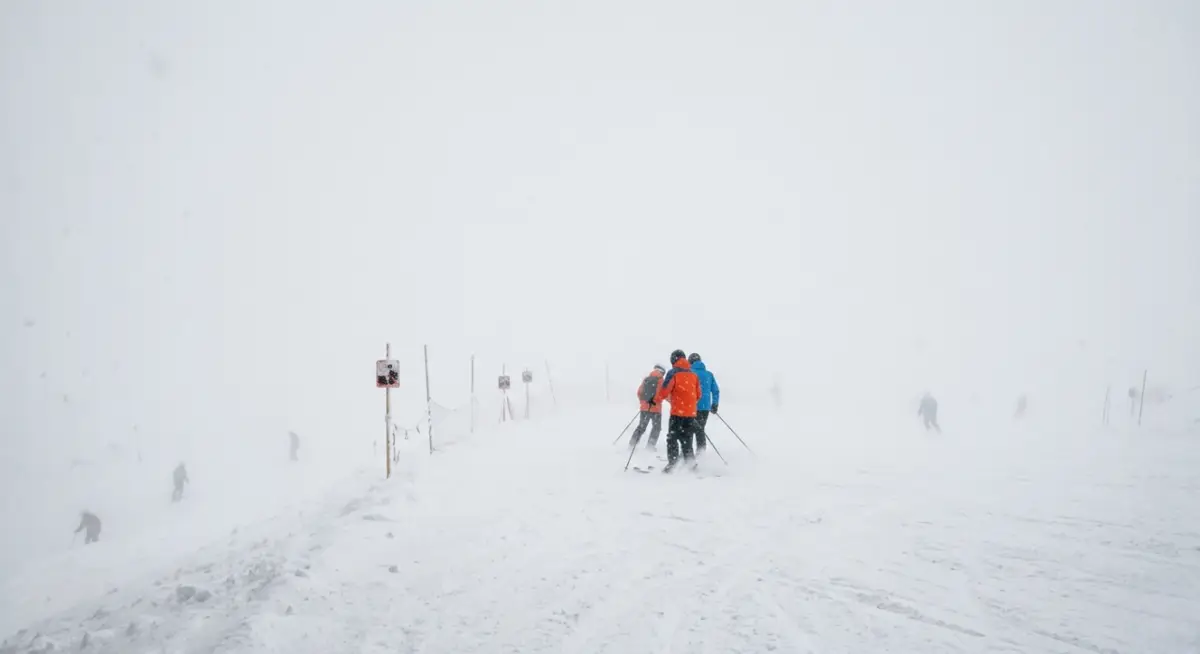
Depending on visibility, temperatures and other weather conditions, you will not use the same amount of energy on skis.
For example, in whiteout conditions, meaning poor visibility, you may become tired more quickly. You need to maintain intense and constant concentration to interpret the terrain correctly and anticipate bumps and other changes in the surface. It is therefore a good idea to take more frequent breaks in whiteout conditions.
You should also be aware that when temperatures are very low, your body uses a significant amount of energy to maintain its internal temperature. You may therefore tire more quickly and become less responsive on your skis. Make sure you dress appropriately to protect yourself as much as possible, and do not hesitate to take regular breaks somewhere warm.